04 — Speakers
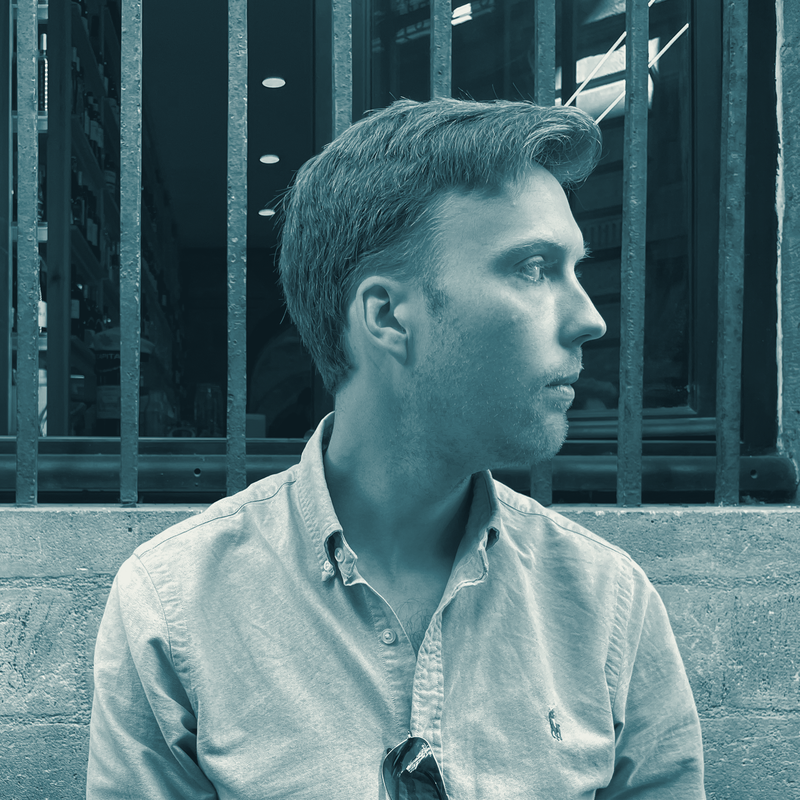 Andrew Renninger
Central European University
Spatial inequalities, across scales
Andrew Renninger
Central European University
Spatial inequalities, across scales
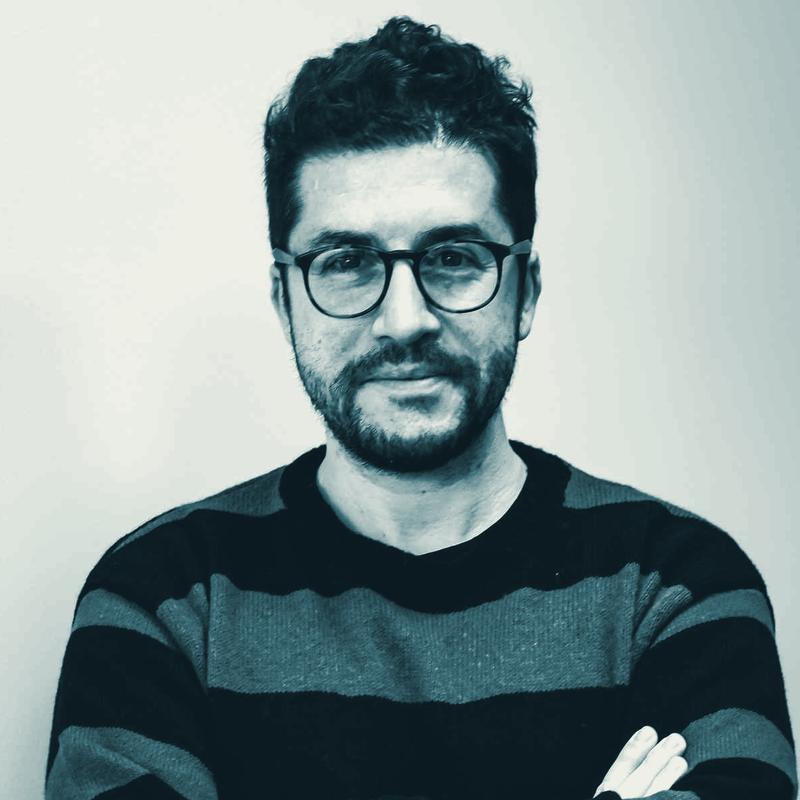 Mattia Mazzoli
ISI Foundation
Mobility, segregation and preference
Mattia Mazzoli
ISI Foundation
Mobility, segregation and preference
 Marc Duran-Sala
EPFL
Human mobility and urban climate
Marc Duran-Sala
EPFL
Human mobility and urban climate
 Olena Holubowska
University of Neuchâtel
Mobility over the life course
Olena Holubowska
University of Neuchâtel
Mobility over the life course
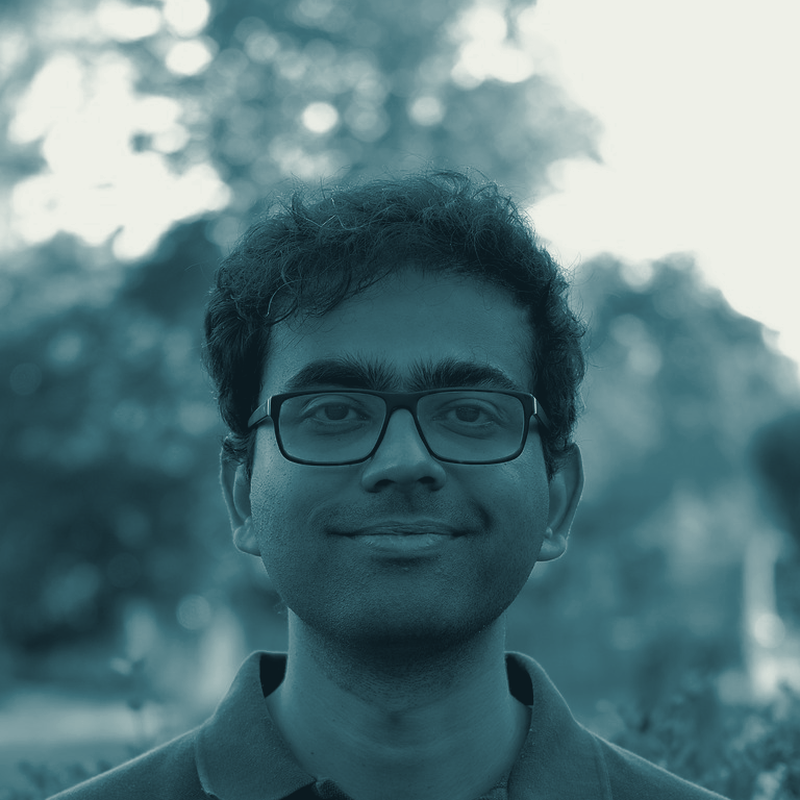 Anirudh Govind
KU Leuven
The scales of segregation through cocooning
Anirudh Govind
KU Leuven
The scales of segregation through cocooning
 Ye Hong
Lund University
Artificial intelligence for spatial inequality
Ye Hong
Lund University
Artificial intelligence for spatial inequality
Six perspectives
Andrew Renninger
Central European University
Spatial inequalities, across scales
Mattia Mazzoli
ISI Foundation
Mobility, segregation and preference
Marc Duran-Sala
EPFL
Human mobility and urban climate
Olena Holubowska
University of Neuchâtel
Mobility over the life course
Anirudh Govind
KU Leuven
The scales of segregation through cocooning
Ye Hong
Lund University
Artificial intelligence for spatial inequality